"Rethinking pet care for a more sustainable future."
🌱 What Is Sustainable Pet Management?
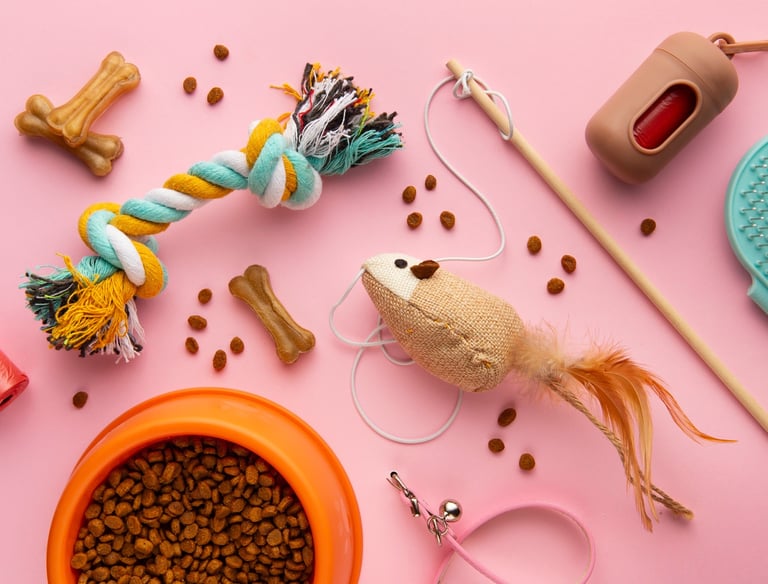
Sustainable pet management is all about keeping our pets happy and healthy while being a little kinder to the planet 🌍🐾. It looks at the whole pet lifestyle, from the food in their bowls, to the toys they chew, the products we buy, and even the waste we leave behind. In Hong Kong, many pet products travel long distances, use lots of meat, and come wrapped in plastic, which adds to emissions and waste. The good news? Pets don’t need super meat-heavy diets to thrive, and smarter options like insect-based protein and durable, low-toxicity toys can greatly reduce environmental impact. Sustainable pet management isn’t about giving things up, it’s about making better choices that are good for pets, people, and the planet 💚🐶🐱.

Your Guide to Sustainable Pet Care in Hong Kong
Helping Hong Kong's pets live greener, healthier lives.











Why Community Initiatives Matter for Sustainable Pet Care in Hong Kong
Hong Kong’s Growing Pet Footprint
Hong Kong is home to over 400,000 dogs and cats, and the local pet care market is now worth more than HKD 5 billion. Most pet food, toys, and accessories are imported, heavily packaged, and often meat-based. While our pets bring us comfort and joy, their everyday products also come with a hidden environmental cost — from carbon emissions to plastic waste.
At the same time, Hong Kong’s landfills are reaching capacity. Pet-related waste such as food packaging, litter, and discarded toys adds extra pressure to an already strained waste system. This makes smarter, lower-waste pet care choices more important than ever.
Sustainable Pet Care Is Already Happening
The good news? Positive change is already underway. Across Hong Kong, NGOs, animal welfare groups, and community initiatives are promoting pet adoption, responsible ownership, better nutrition awareness, and eco-friendly pet care habits.
These efforts may still be small in scale, but they show that sustainable pet management isn’t just a future goal — it’s something people are already practicing today.
Why Community Initiatives Make a Difference
Big ideas like the circular economy or life-cycle impacts can feel abstract. Community groups help turn these concepts into simple, everyday actions.
Through workshops, talks, rescue programmes, and public events, they show pet owners how their choices affect both animal welfare and the environment. In a fast-paced, space-limited city like Hong Kong, practical and local guidance makes sustainable living feel more achievable.
Closing the Information Gap
Many pet owners want to make greener choices — but the information can feel confusing or inconsistent.
Which products are truly sustainable?
How can waste be reduced?
Are alternative proteins like insect-based food safe and nutritious?
Community-led education helps cut through the noise with trusted, science-based guidance, giving pet owners the confidence to make informed decisions.
From Awareness to Action
People are more likely to change their habits when they see real, local examples. When sustainability shows up through community events, NGO campaigns, and partnerships with pet shops, it starts to feel normal — not niche.
This encourages practical actions like:
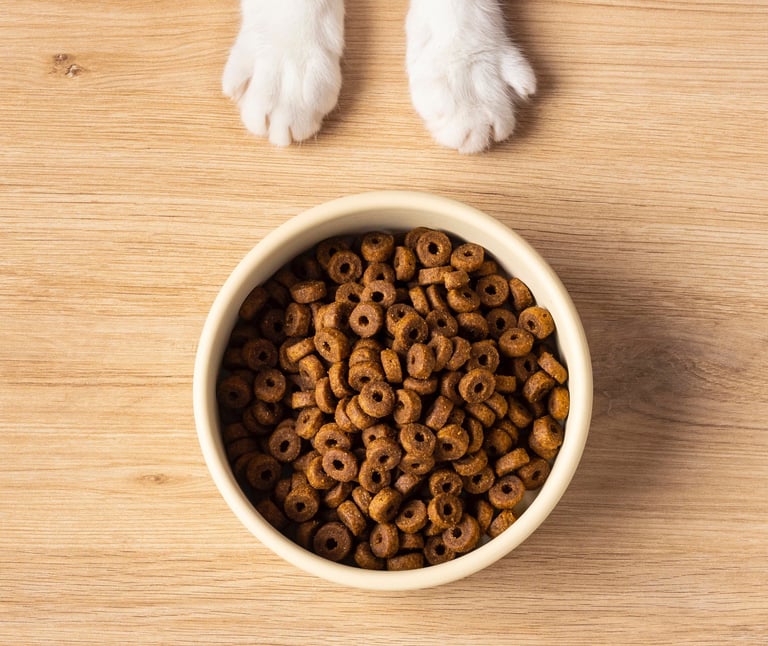
Choosing lower-impact pet food
Reducing packaging waste
Supporting adoption over breeding
Building a More Sustainable Pet Culture
Sustainable pet management supports multiple goals at once:
🐾 Healthier pets
♻️ Less waste
🌍 Lower environmental impact
🤝 Stronger community responsibility
By making these initiatives more visible, understandable, and accessible, Hong Kong can empower pet owners to turn good intentions into real action — creating a pet culture that’s kinder to both animals and the planet.



Key Points
Pet care has a real environmental impact
From food to packaging to waste, everyday pet products contribute to carbon emissions and landfill pressure in Hong Kong.Community initiatives make sustainability practical
NGOs and local groups help turn complex sustainability ideas into simple, everyday actions for pet owners.Education turns awareness into action
Clear, trusted information empowers pet owners to choose greener products, reduce waste, and support responsible pet ownership.
At a glance
Hong Kong’s Growing Pet Footprint
Sustainable Pet Care Is Already Happening
Why Community Initiatives Make a Difference
Closing the Information Gap
From Awareness to Action
Building a More Sustainable Pet Culture