"Rethinking pet care for a more sustainable future."

8. Tools & Resources
Turning sustainable pet knowledge into everyday action
Learning about sustainable pet management is most useful when it helps pet owners make confident, practical decisions. The tools below are designed to simplify complex sustainability information and support better choices around pet food and products.
✅ “Is This Pet Food Sustainable?” Checklist
A quick decision aid for pet owners
Use this checklist when comparing pet foods:
☐ Is the protein source explained clearly?
☐ Does the food rely heavily on high-impact meats (e.g. beef), or does it include lower-impact alternatives such as insect protein?
☐ Is the product nutritionally complete according to recognised guidelines?
☐ Where is the food produced, and how far is it transported?
☐ Is the packaging minimal or recyclable?
This checklist reflects key sustainability drivers identified in the project, including protein choice, transport, and packaging impacts.
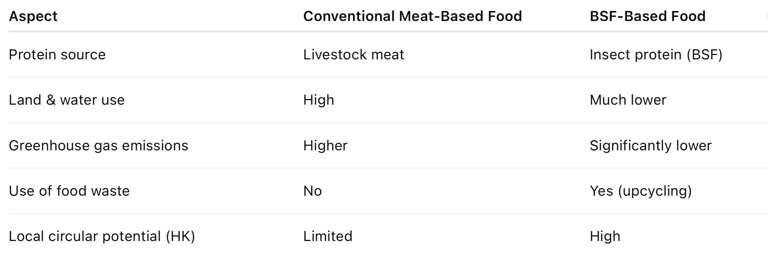
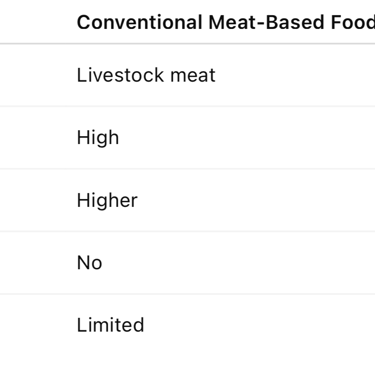
📊 Simple Comparison Table: BSF vs Conventional Pet Food
AspectConventional Meat-Based FoodBSF-Based FoodProtein sourceLivestock meatInsect protein (BSF)Land & water useHighMuch lowerGreenhouse gas emissionsHigherSignificantly lowerUse of food wasteNoYes (upcycling)Local circular potential (HK)LimitedHigh
This table is based on findings from international studies and local BSF initiatives discussed in the project proposal.
📥 Downloadable Guides
🍽️ Sustainable Feeding Guide
A simple guide explaining:
How to choose lower-impact pet food
How to transition pets responsibly
Common myths about meat-heavy diets
🧸 Toy Buying Checklist
A practical checklist to help pet owners:
Identify durable and safer materials
Avoid short-lived, disposable toys
Reduce packaging and waste
These guides translate life-cycle and sustainability concepts into clear, everyday advice.
❓ Frequently Asked Questions (FAQs)
Is insect-based pet food safe?
Yes. Research shows that properly processed insect-based pet food can be safe, nutritious, and palatable when formulated according to nutritional guidelines.
Is sustainable pet food more expensive?
Some options cost more upfront, but longer-lasting products and reduced waste can offset costs over time. Price remains a barrier, which is why clear information is important.
Do pets need meat-heavy diets to stay healthy?
No. Pets need balanced nutrition, not excessive meat. Alternative proteins can meet nutritional needs when properly formulated.
Is this about giving things up?
No. The project emphasises better choices, not sacrifice — helping pet owners choose smarter options that align with both pet health and environmental sustainability.
🌱 Key Message
Good tools make sustainable choices easier.
By breaking sustainability into simple checklists, comparisons, and guides, pet owners can take action with confidence — without needing technical expertise.
If you want next, I can:
Turn these into print-ready PDFs
Design icons and UI labels for each tool
Rewrite this section in a more playful / kawaii tone
Align tools directly with Food • Products • Habits navigation
Just let me know 👍